6
4
%
V
i
e
t
n
a
m
|
S
p
i
c
y
F
i
j
i
Chili Cashew Molasses
64%
170 Calories
0 AVAILABLE
Chocolate Summary
Fiji, Vietnam
100% Sun Dried



Abstract
Hover over each feature to learn more.
Inspired by the nonchalant question from Onyx co-owner, Jon, "What about a spicy chocolate?" our Director of Chocolate got to work. Tinkering with different cacao origins and spice blends, an all-Asian inspired chocolate bar was born. Utilizing nutty & earthy cacao from Matasawalevu, Fiji & sweet and spiced cacao from Ben Tre, Vietnam a dark milk chocolate blend was born. Next, a gentle, spicy kick arrives from the addition of a Korean Red Pepper and a sweet fruity finish from dried mango bits.
Inspired by the nonchalant question from Onyx co-owner, Jon, "What about a spicy chocolate?" our Director of Chocolate got to work. Tinkering with different cacao origins and spice blends, an...
Origin
Fiji, Vietnam
Chocolate’s flavor is largely set at origin through plant genetics and growing conditions that shape bean chemistry. Variety, soil nutrients, rainfall, and temperature influence sugar and amino acid development, while microbial fermentation drives enzymatic reactions that create flavor precursors. Drying and roasting then trigger Maillard reactions and controlled oxidation, converting those precursors into specific aromatics, acids, and polyphenol profiles that read as fruit, floral, nutty, or cocoa-forward.
Nutrition
170 Calories / Serving
The caloric density and serving size of our products may vary. But let's be honest... did you really want to know?
Process
100% Sun Dried
Components
Inventory
0 AVAILABLE
We keep our inventory dialed in with tight production planning, clear par levels, and consistent check-ins across storage and service. We do this, despite the headache, to ensure an extreme amount of freshness. No one likes stale chocolate.
Cocoa Solids
64%
Cocoa solids, often shown as percent cocoa, speak to chocolate's true character. Higher percentages mean more cacao mass, deeper bitterness, and layered complexity, less sugar, more origin. Like coffee, it’s about balance: letting terroir, process, and craft shine through every deliberate bite.
Abstract
Inspired by the nonchalant question from Onyx co-owner, Jon, "What about a spicy chocolate?" our Director of Chocolate got to work. Tinkering with different cacao origins and spice blends, an all-Asian inspired chocolate bar was born. Utilizing nutty & earthy cacao from Matasawalevu, Fiji & sweet and spiced cacao from Ben Tre, Vietnam a dark milk chocolate blend was born. Next, a gentle, spicy kick arrives from the addition of a Korean Red Pepper and a sweet fruity finish from dried mango bits.
Origin
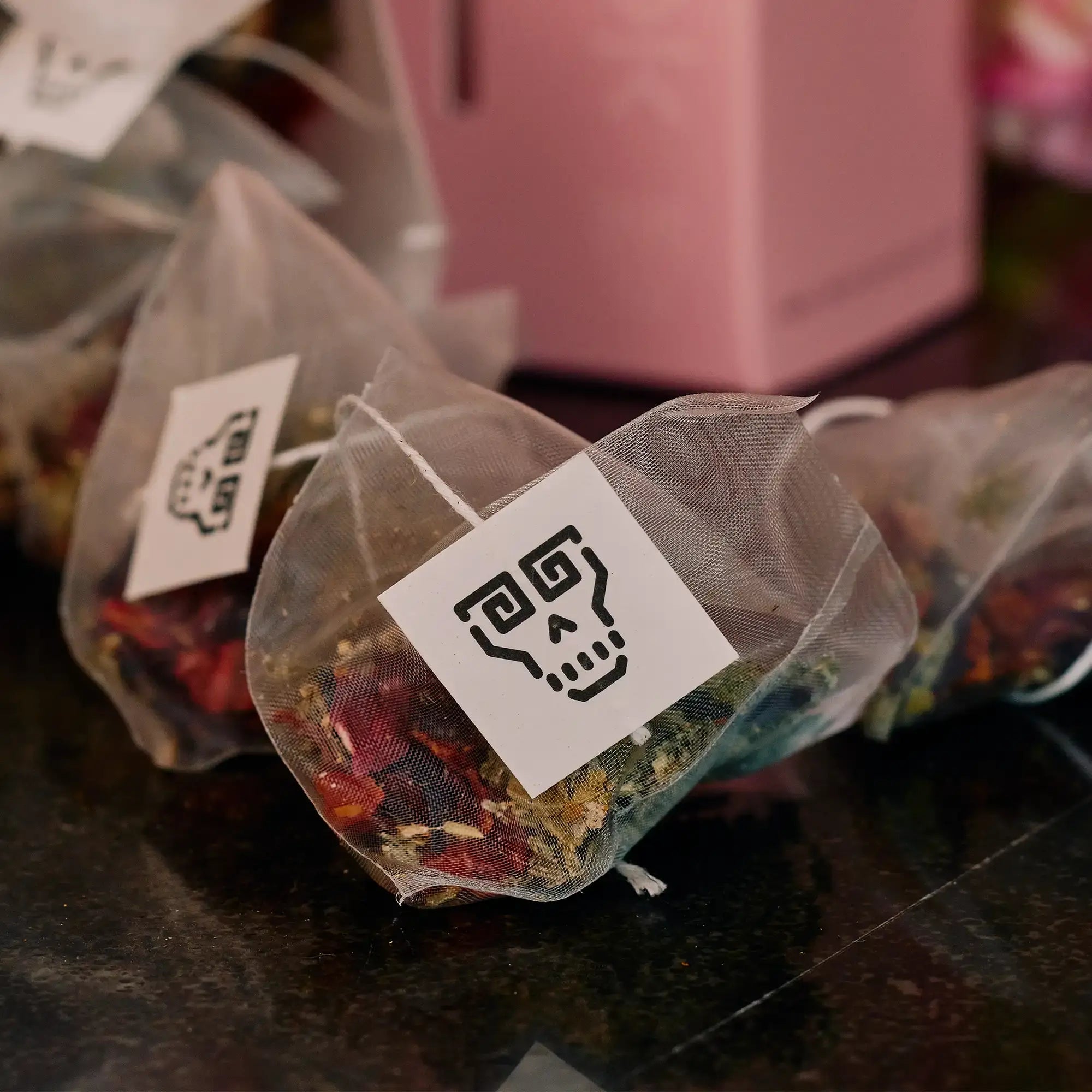
Sachets
Launched in January 2020, NeoSoilon® is a 100% PLA mesh filter made from 100% non-GMO sugar cane.
NASA Corporation has supplied PLA-based teabag filters ― Soilon® for more than a decade. PLA (polylactic acid) is a polymer resin made by the lactic fermentation of glucose which is derived from corn starch. The demand for this biodegradable material has grown as the tea industry moves away from petroleum-based materials such as Nylon or PET to avoid environmental harm. Soilon® is woven fabric made from 100% PLA material. Tea bags made with Soilon® are see-through and have good extractability.
Meanwhile, there has been growing consumer demand for organic products in the world, and there has been a newer push for this plant-based material to also be free of GMOs. In response to this, NASA Corporation launched NeoSoilon® in January 2020, a mesh filter for teabags made from 100% non-GMO sugar cane, establishing the world’s largest stable supply system of non-GMO plant-based filters.
As NeoSoilon® is a PLA tea bag filter made from non-GMO plant based material, it is the best packing material for organic tea, allowing for completely certified organic tea products.
Brewing Temperatures
White Tea
Typical Range: 160–185°F (70–85°C)
White teas are minimally processed and contain delicate buds and leaves. Steeping at lower temperatures preserves their subtle floral and sweet notes.
Green Tea
Green Tea
Typical Range: 150–180°F (65–82°C)
Green teas can turn bitter if steeped at too high a temperature. The precise temperature can vary between, say, a Japanese green (often lower temp) and a Chinese green (sometimes slightly higher).
Oolong Tea
Oolong Tea
Typical Range: 180–200°F (82–93°C)
Oolongs vary widely in oxidation levels. Lighter (greener) oolongs do well with slightly lower temperatures (around 180–190°F), while darker (more oxidized) oolongs can handle up to around 200°F.
Black Tea
Black Tea
Typical Range: 200–212°F (93–100°C)
Black teas are fully oxidized and generally benefit from near-boiling to boiling water, which helps extract their robust, malty, or brisk flavors.
Pu’er (or Aged Teas)
Herbal Tea
Typical Range: 205–212°F (96–100°C)
Most herbal ingredients (e.g., chamomile, peppermint, rooibos) can handle fully boiling water to extract the most flavor and beneficial compounds.
Caffeine
This tea offers a gentler option for those seeking the comforting warmth and taste of tea without a pronounced caffeine boost. While naturally much lower in caffeine than traditional black or green teas, decaf varieties still preserve the soothing aromas and subtle flavors that tea is known for. Whether sipped in the early morning or enjoyed as a mellow evening indulgence, decaf tea provides an easygoing alternative that allows tea lovers to savor familiar comforts at any time of day. With each cup, you can relish the same beloved qualities of tea—aroma, ritual, and gentle satisfaction—while keeping caffeine intake to a minimum.
Process
100% Sun Dried
Components
Inventory
0 AVAILABLE
T h e S t o r y
FIJI
Matasawalevu Cocoa is part of a cocoa industry revitalization project on Fiji’s second largest island, Vanua Levu, led by Arif Khan of Cacao Fiji. Arif started Cacao Fiji in 2014 after tasting a chocolate bar sourced from Fiji...
The Story
FIJI
Matasawalevu Cocoa is part of a cocoa industry revitalization project on Fiji’s second largest island, Vanua Levu, led by Arif Khan of Cacao Fiji. Arif started Cacao Fiji in 2014 after tasting a chocolate bar sourced from Fiji beans and talking to farmers on Fiji’s largest island, Viti Levu, about the difficulties they had finding markets for their cocoa. Arif was inspired to return to his home country and build a link to the craft chocolate movement farming, processing and exporting Fiji cocoa beans.
Through Cacao Fiji, Arif runs the Matasawalevu Cocoa Project at the Matasawalevu Cocoa Farm located on 100 acres in the hills of Dreketi, Macuata in Northern Fiji. The Matasawalevu Cocoa Farm closely follows traditional post-harvest processing techniques and has a reputation for producing high quality cocoa. In 2015, Cacao Fiji’s Matasawalevu Cocoa was selected to be included in the 50 best samples leading up to the final International Cocoa Awards.
VIETNAM
Ben Tre is a coastal province on the Mekong Delta in southern Vietnam, a low-lying, tropical region with a vast network of rivers, rice paddies, and swamplands. It has hundreds of miles of canals that reach far into the farmland. The land is extremely fertile, and as such, has been intensively farmed for more than a century. Located between two main branches of the Mekong’s largest tributary, Ben Tre Province is birthplace of cacao in Vietnam. The terrain is flat with an altitude of less than 5 meters above sea level, and many farmers of a variety of crops take advantage of the area’s abundance of fresh water and alluvial soil. Marou Faiseurs De Chocolat sources from a variety of regions throughout Vietnam. In each region, they partner with cacao groups of 30-40 members. Each group has a leader who, besides having a farm of 2-3 hectares, also buys wet beans from the others in the group and ferments them in wooden boxes at their farm. Marou has a very hands-on approach to quality control; each bag is tested at selection, and farmers receive feedback and technical assistance throughout the harvest season.
T r a n s p a r e n c y
We as a company believe that transparency is unbelievably important. The point of listing things below is not to justify what we charge or what we profit, but to give a realistic snapshot of the industry and how chocolate can be different than other commodity industries.
Green Cost
$
The subject of paying for raw cocoa is inherently complicated. While the amount paid is very important, the payment terms and type of contract negotiated during the purchase are also paramount.
C-Market
$1.88
We pay well above the commodity price for our cocoa, because great chocolate starts with producers who can afford to prioritize quality and long-term stewardship. That premium goes directly toward better wages, improved fermentation and drying, reinvestment at the farm level, and more stability for producers season after season.
Simple Measures
No Lecithin
We keep our chocolate ingredient list simple and clean, no artificial flavors, colors, sweeteners, or fillers. It’s just thoughtfully sourced cacao and real, familiar ingredients, crafted to let origin and process do the talking.
3rd-Party Testing
Low Cadmium
We subject our chocolate to rigorous third-party testing for heavy metals—including Cadmium, Lead, and Mercury to ensure that every cup meets stringent safety benchmarks.
You will notice a slightly higher than average detection of Cadmium, which is typical for all dark chocolates. According to the European Food Safety Authority, this is acceptable for chocolates with > 50% cocoa solids.
View the Report
Green Cost
Transportation Cost
Production Cost
Lot Size
Solar Energy
As our coffee production surpasses a million pounds annually, we recognize the significant energy demands of our operations. To reduce our carbon footprint, we have invested in solar energy, installing panels above all roasting machinery to power our most energy-intensive equipment. This shift not only decreases reliance on traditional energy sources but also aligns with our commitment to sustainable practices, ensuring that our growth does not come at the expense of the environment.
Beyond solar energy, we prioritize working with environmentally conscious roasting manufacturers like Diedrich and Loring, whose advanced technology minimizes fuel waste and optimizes energy efficiency. Every decision, from the equipment we use to the energy sources we rely on, reflects our dedication to long-term sustainability. By integrating solar power and cutting-edge roasting technology, we are taking meaningful steps toward a greener future for coffee production.
In 2024, we generated nearly 68,000kWh of electricity.
Living Wage
We are proud to be the first business in the state of Arkansas to achieve Living Wage Certification, a recognition granted to employers who voluntarily commit to paying wages that cover essential living costs like housing, food, and healthcare. This rigorous certification ensures employees earn enough to live securely, and without unnecessary financial strain. Achieving this milestone within the coffee industry is particularly momentous, as tight margins and market volatility pose monumental threats. However, our expansion into e-commerce has afforded us the financial stability we need to make sustainable investments into our workforce.
Fair wages are not just an ethical choice, but a key driver behind doing business with excellence. The Living Wage Certification reflects our deep commitment to transparency, accountability, and the prosperity of our employees. It's about fostering a thriving community not just within our walls but beyond, and setting an example for other businesses to do the same. We see this as both an accomplishment and a starting point, taking inspiration to continue pushing the boundaries of what it means to be a responsible and caring employer, proving that business growth and social responsibility can go hand in hand.
Transparent Trade
We are proud to represent a holistically transparent approach to our green coffee purchasing practices, establishing accountability and accessibility for all. From the beginning, we’ve committed to ensuring that our producing partners are not only fairly compensated but are awarded for striving towards excellence in their craft. By publishing all trade data online and even on our packaging, we’ve inadvertently become a measuring tool for smallholder producers navigating pricing structures in a convoluted market.
We believe that transparency creates responsibility which promotes accountability, and all these things work together to create long-term benefits for everyone involved. That’s why we never release new offerings without comprehensive analytics on the journey it took from the bottom of the supply chain to our shelves. Things like green cost, transportation cost, and production cost are all delineated under each and every coffee we publish online. In this way, we have positioned ourselves as a sightglass between our coffee-drinking community and our partners at origin by championing transparency in our international trade practices, and we are grateful for the platform we have to advocate for an equitability in our industry.
Certified B Corporation
Onyx is proud to be a Certified B Corporation, a designation that recognizes businesses committed to the highest standards of social and environmental responsibility. This certification evaluates our impact across key areas, including ethical sourcing, employee well-being, sustainability, and community engagement. Becoming a B Corp means we are legally bound to balance profit with purpose, ensuring that every aspect of our business from how we source coffee to how we treat our employees is aligned with our values of transparency, accountability, and long-term sustainability.
For us, this certification is more than a milestone – it’s a reflection of our deep commitment to ethical coffee production. As a specialty coffee company, we have always prioritized responsible sourcing, fair wages, and reducing our environmental footprint. Being a B Corp reinforces these efforts and signals to our community that we are dedicated to setting a new standard for what it means to be a truly sustainable and socially responsible coffee business. This achievement is not the finish line but a foundation for continued growth, innovation, and leadership in the industry.